
 Image 1 of 1
Crime analysis was supposed to make policing smarter.
For thirty years, police departments have hired analysts, bought software, built dashboards, held CompStat meetings, and promised data-driven public safety. Yet in many agencies, the same problems remain: analysts are buried on the organization chart, data sits trapped in broken systems, officers are never trained to use analysis, chiefs cannot clearly define what analysts should do, and professional institutions struggle to keep pace with the technical demands of the field.
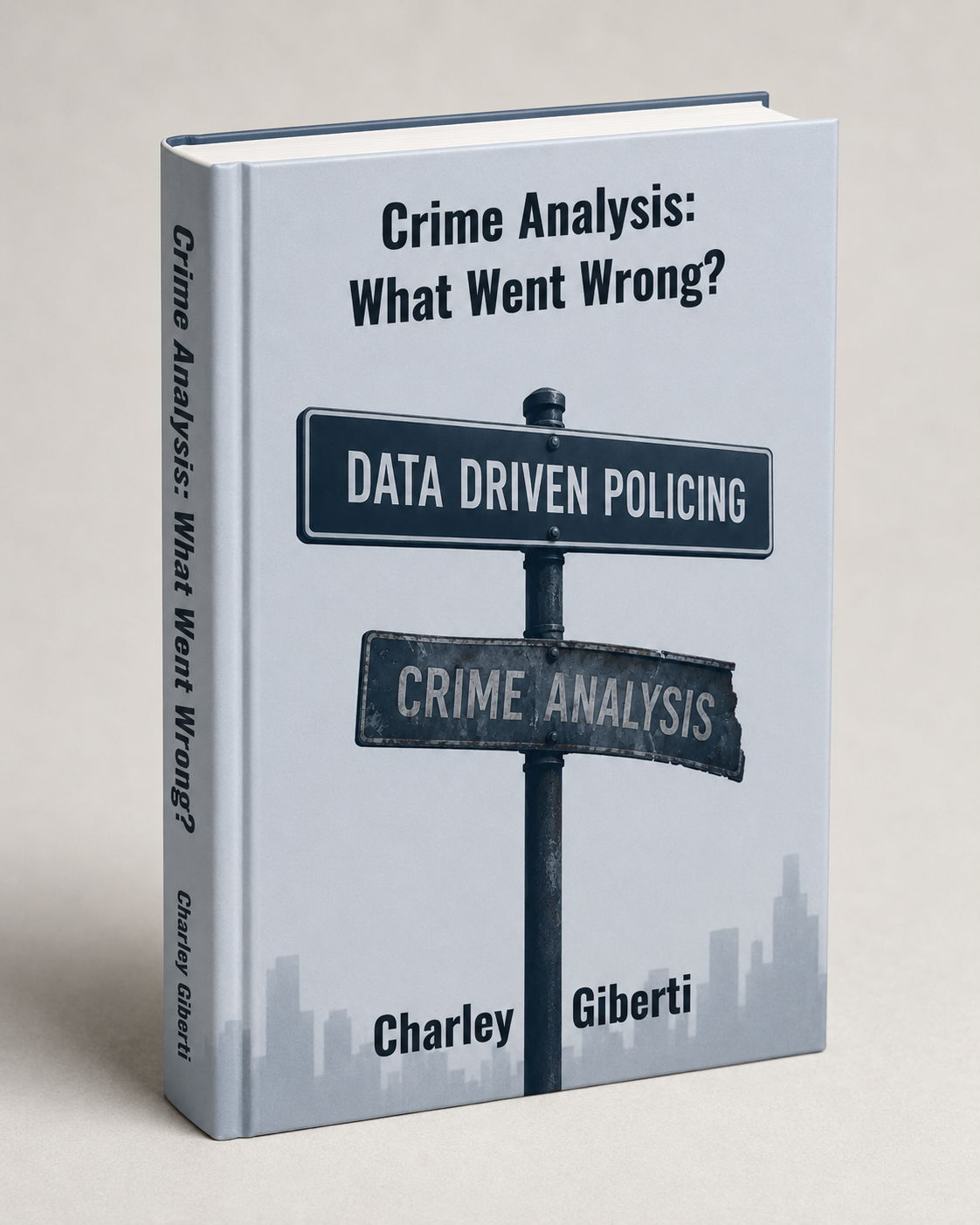
Crime Analysis: What Went Wrong? is a candid, practitioner-driven critique of a profession with enormous promise and fragile infrastructure. Drawing on survey data, interviews with working analysts, field experience, and years spent helping police agencies implement analytics, Charley Giberti examines why crime analysis so often fails to deliver on its potential.
This is not an argument against crime analysis. It is an argument that crime analysis matters too much to keep getting it wrong.
Provocative, practical, and unapologetically direct, this book is a must-read for police chiefs trying to implement data-driven policing and for crime analysts trying to understand why their work so often succeeds or fails. It challenges analysts, police leaders, academics, trainers, and professional associations to confront the gaps they have avoided: vague job definitions, weak career paths, sworn exceptionalism, outdated training, poor data literacy, performative dashboards, and the growing divide between public-sector crime analysis and the private-sector use of data.
The next thirty years of crime analysis will not be saved by another software platform, certification, conference, or dashboard.
The field has to decide what it wants to become.
Books will ship the week of August 17, 2026. This offering will be printed in hard cover.
Crime analysis was supposed to make policing smarter.
For thirty years, police departments have hired analysts, bought software, built dashboards, held CompStat meetings, and promised data-driven public safety. Yet in many agencies, the same problems remain: analysts are buried on the organization chart, data sits trapped in broken systems, officers are never trained to use analysis, chiefs cannot clearly define what analysts should do, and professional institutions struggle to keep pace with the technical demands of the field.
Crime Analysis: What Went Wrong? is a candid, practitioner-driven critique of a profession with enormous promise and fragile infrastructure. Drawing on survey data, interviews with working analysts, field experience, and years spent helping police agencies implement analytics, Charley Giberti examines why crime analysis so often fails to deliver on its potential.
This is not an argument against crime analysis. It is an argument that crime analysis matters too much to keep getting it wrong.
Provocative, practical, and unapologetically direct, this book is a must-read for police chiefs trying to implement data-driven policing and for crime analysts trying to understand why their work so often succeeds or fails. It challenges analysts, police leaders, academics, trainers, and professional associations to confront the gaps they have avoided: vague job definitions, weak career paths, sworn exceptionalism, outdated training, poor data literacy, performative dashboards, and the growing divide between public-sector crime analysis and the private-sector use of data.
The next thirty years of crime analysis will not be saved by another software platform, certification, conference, or dashboard.
The field has to decide what it wants to become.
Books will ship the week of August 17, 2026. This offering will be printed in hard cover.